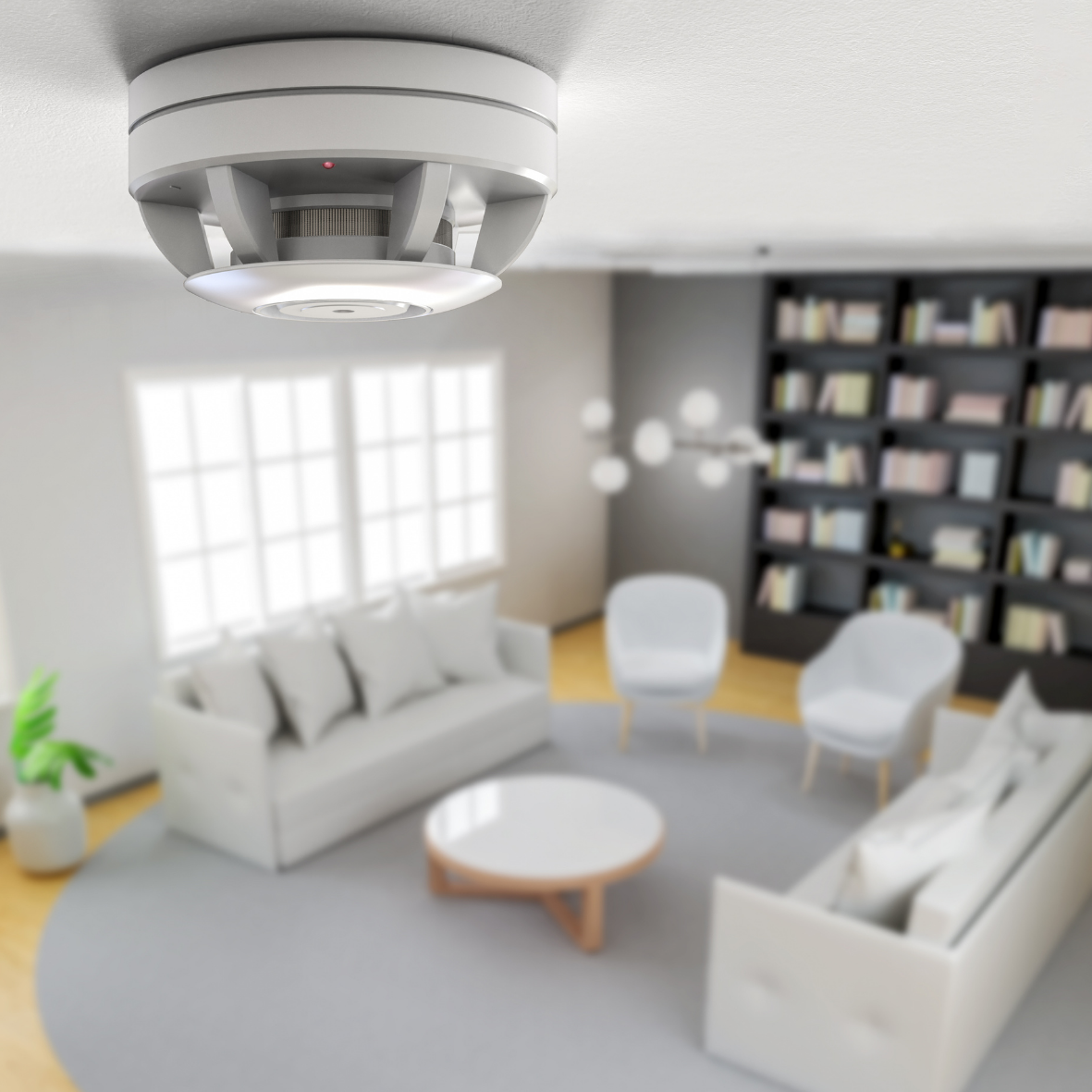
Home Safety & Protection Series
What every Florida homeowner should know

Carbon monoxide is colorless, odorless, and tasteless. You cannot see it. You cannot smell it. And you will not know it’s present without a detector.
That’s why carbon monoxide alarms matter.
If your home has any fuel-burning appliance, you should have a working carbon monoxide detector installed. And if your home has more than one level, you should have one on each level — especially near sleeping areas.
Let’s walk through what Florida homeowners need to know.
What Produces Carbon Monoxide?
Carbon monoxide (CO) is created when fuel burns. That includes:
- Gas, propane, or oil furnaces
- Gas water heaters
- Gas stoves or ovens
- Fireplaces
- Wood-burning stoves
- Running vehicles in attached garages
- Portable generators
Even in Florida, where we don’t rely heavily on furnaces, many homes still have gas appliances or attached garages. That means CO is still a real concern.
And during hurricane season, generator use increases dramatically — which raises carbon monoxide risks across the state.
Where Should CO Detectors Be Installed?
Just like smoke detectors, these devices require maintenance.
- Replace units every 5–6 years (check the manufacture date on the back)
- Replace batteries at least twice a year
- Look for the UL (Underwriters Laboratories) symbol to ensure proper certification
- Test devices monthly
Many newer models are hardwired or plug-in with battery backup. Whichever type you use, regular testing is critical.
Florida Requirements for Homeowners and Sellers
In Florida, carbon monoxide alarms are required in any building that has a fossil-fuel-burning appliance, a fireplace, or an attached garage.
For homeowners:
- If your home contains any of these features, you must install a working carbon monoxide detector.
- Detectors must be installed within 10 feet of each bedroom.
- Battery-operated or hardwired units are acceptable.
For home sellers:
- Florida law requires that required life-safety devices, including smoke and carbon monoxide alarms (when applicable), be installed and functioning at the time of sale.
- During inspections, missing or non-functioning detectors are often flagged and must be corrected before closing.
Because Florida homes frequently include attached garages and gas water heaters, many homeowners assume they do not need a CO detector — when legally, they do.
Why Carbon Monoxide Is Called the Silent Killer
Mild exposure symptoms include:
- Headache
- Dizziness
- Nausea
- Fatigue
- Confusion
Severe exposure can lead to unconsciousness, brain damage, or death.
Children, elderly individuals, and pets are especially vulnerable.
You will not smell carbon monoxide. Many victims simply fall asleep and never wake up. That is why early detection matters.
If you suspect exposure:
- Get everyone outside immediately
- Call 911
- Ventilate the home
- Do not re-enter until authorities declare it safe
Preventing Carbon Monoxide Problems
Prevention starts with maintenance:
- Service gas appliances annually
- Inspect chimneys and vents
- Never run generators indoors or in garages
- Never run vehicles in an enclosed garage
- Ensure proper ventilation when using fuel-burning heaters
After hurricanes or power outages, improper generator use is one of the leading causes of CO poisoning in Florida.
Never operate generators inside a home, garage, or near windows.
Insights for snowbirds and absentee owners
If your Florida home sits empty for months at a time, carbon monoxide detectors can fail without you knowing it — especially if batteries die or units age out.
Before leaving for the season, test every detector. When you return, test them again. If you have gas appliances or an attached garage, consider having a home watch provider check detectors during routine visits. It’s a small step that protects your property and anyone staying there.be there yourself.
The Bottom Line….
Carbon monoxide detectors are inexpensive, simple devices that save lives.
If your home has fuel-burning appliances, a fireplace, or an attached garage, you should have working detectors installed near sleeping areas and on each level of the home.
Check them today. Replace them if needed. And make sure they’re part of your regular home safety routine.
📩 Have questions about home safety requirements in Florida — or preparing your home for sale?
I’m always happy to help you review what’s required, what’s recommended, and what makes sense for your situation.
Email me any time. → april@planmyfloridamove.com
Ready to start planning out a move?
You don’t need to have it all figured out. Just tell me your story – and I’ll help you build a plan that makes sense. SCHEDULE A QUICK CHAT
👉 Join THE BOTTOM LINE – My free weekly newsletter with smart tips for homeowners and home sellers.


Buy Your Florida Home

Sell Your Florida Home

Relocate to Florida

Take Care of your Florida Home